
A Different Maternity Leave: How Paid Leave Changed the Experience for Arkansas Teacher Jazmyn Conner
When Jazmyn Conner, a first-grade teacher at Southside Elementary in Cabot, Ark., welcomed her second daughter in March 2026, she already knew what it was like to navigate maternity leave as an Arkansas teacher.
She knew what it was like to use every available sick day. She knew the stress of taking unpaid time for appointments. And she knew what it felt like to return to her classroom before she was truly ready.
This time was different.
With Arkansas’s newly expanded family leave benefit for public school employees, Jazmyn received the full 12 weeks of paid maternity leave. With her leave beginning just before spring break, those 12 weeks carried her through the remainder of the school year and into summer.
Jazmyn, now in her 5th year of teaching, and her husband, Joshua, are parents to two young daughters, Emery and Elena. Outside the classroom, the couple is active in their church in Bald Knob, where Joshua serves as youth pastor.

When their first daughter was born, paid maternity leave was not available to Jazmyn. “I had to use all of my sick days and take time off unpaid for doctor appointments,” she said. “The financial burden was heavy, and I felt like I needed to come back to work before I was fully ready.”
Her first postpartum experience also included a NICU stay for her daughter, Emery. Instead of being able to focus solely on recovering and caring for her new baby, Jazmyn said financial concerns followed her throughout her leave.
When she became pregnant with Elena, however, Arkansas teachers had more support and leave options.
This expanded support made a difference to Jazmyn and her family before Elena even arrived. A couple of weeks before delivery, Jazmyn was placed on bed rest. Rather than worrying that the unexpected time away from work would create a financial hardship for her family, she was able to focus on her health and safely reach a full-term delivery. “This policy allowed me to feel at peace knowing that it wouldn’t hurt our family financially,” she said. “I was able to heal and take care of my body and my baby properly.”
After Elena's birth, paid leave provided Jazmyn with peace of mind and time with her baby that didn’t have a rigid countdown attached to it.
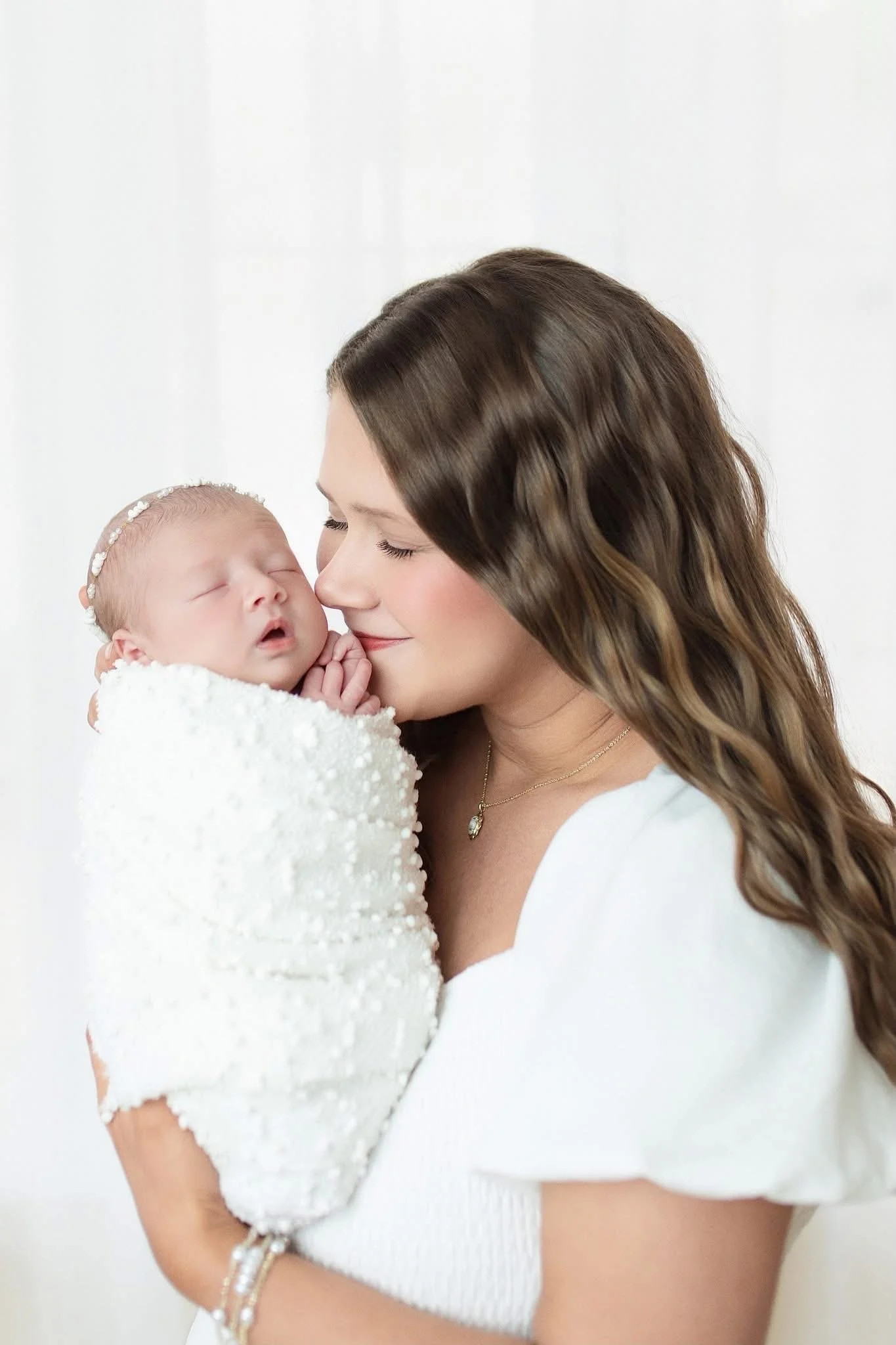
“This paid leave allowed me to enjoy my time with my new baby,” she said. “I was able to focus on nursing, bonding and adjusting to being a mom of two under two. I didn’t feel like I needed to rush, and I did not feel bad for taking my time off.”
Having 12 weeks at home gave her time to establish a nursing routine, bond with Elena and adjust mentally and emotionally to caring for two very young children. It also gave her family the space to find their new rhythm without the pressure of missing a paycheck or facing an early return to the classroom.
Some of the moments that made the value of the policy clearest were also the simplest. Jazmyn remembers sitting in the rocking chair holding Elena while Emery was at daycare. There was no classroom waiting for her that day, no paycheck she was sacrificing to be there and no feeling that she needed to rush through those newborn weeks.
The clearest difference between Jazmyn’s two experiences came when it was time to think about work again.
After her first maternity leave, Jazmyn remembers feeling forced to return before she was emotionally ready. She was impatient and hurting from being separated from her baby, particularly after already losing a week together because of the NICU stay. Her experience after Elena was completely different. “I love my job,” she said. But paid leave meant she didn't have to choose between loving that job and recognizing that her newborn and her own recovery needed to come first.
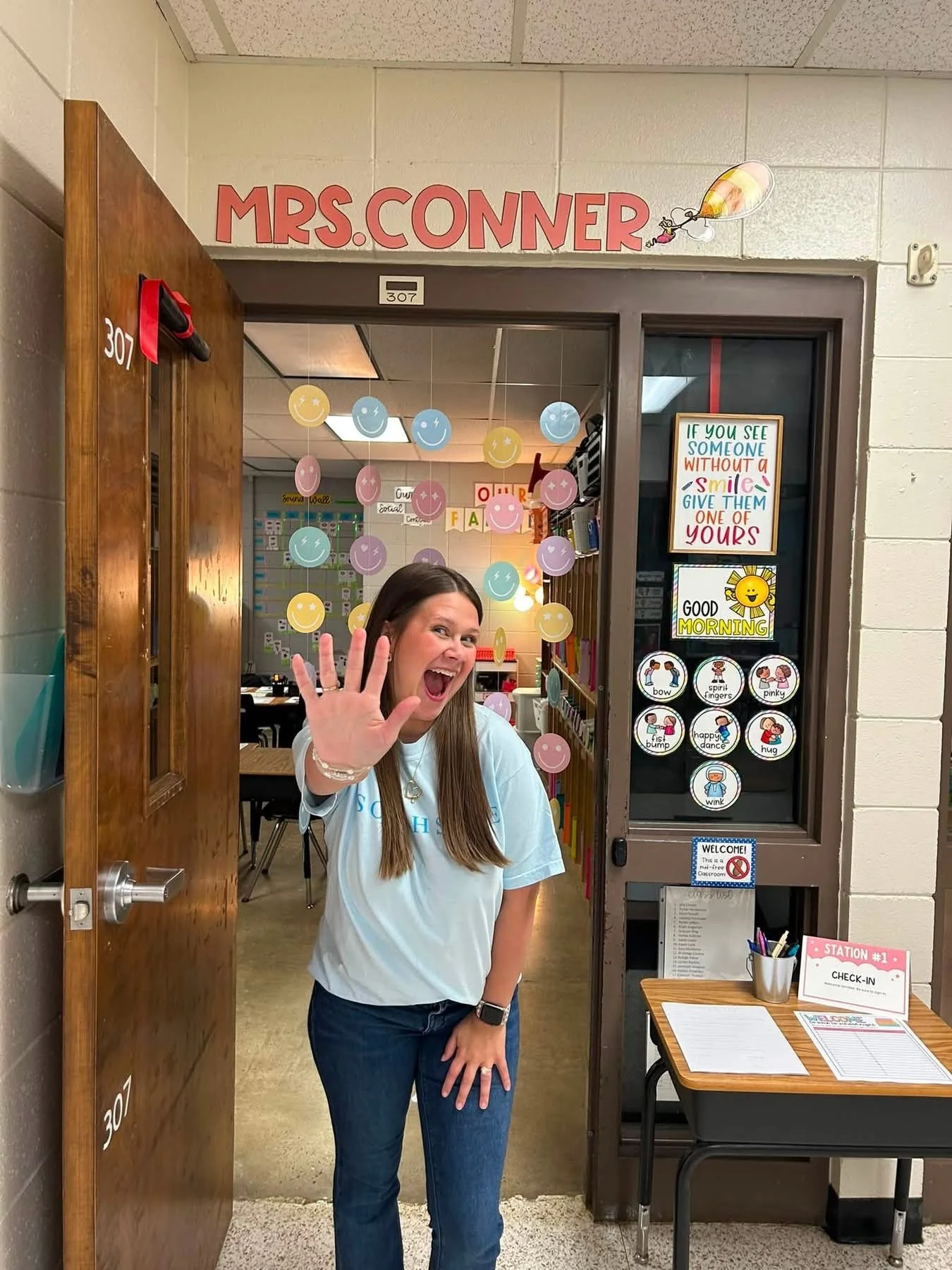
When asked what she would tell another Arkansas teacher preparing to welcome a baby, Jazmyn doesn't hesitate. “DO IT! Take your full 12 weeks,” she said. “Use it stress-free and enjoy that time with your baby! Work will continue until you return. Your bills will get paid. No burden!”
She hopes Arkansas policymakers understand that the impact of those 12 weeks extends far beyond the number of days a teacher is away from her classroom.
“This benefited my family in ways I cannot elaborate,” Jazmyn said. “I am a better mother and wife because I was able to adjust mentally and physically without the stress of finances and work.”
Jazmyn has now experienced maternity leave both ways, and she is clear about what the difference was.
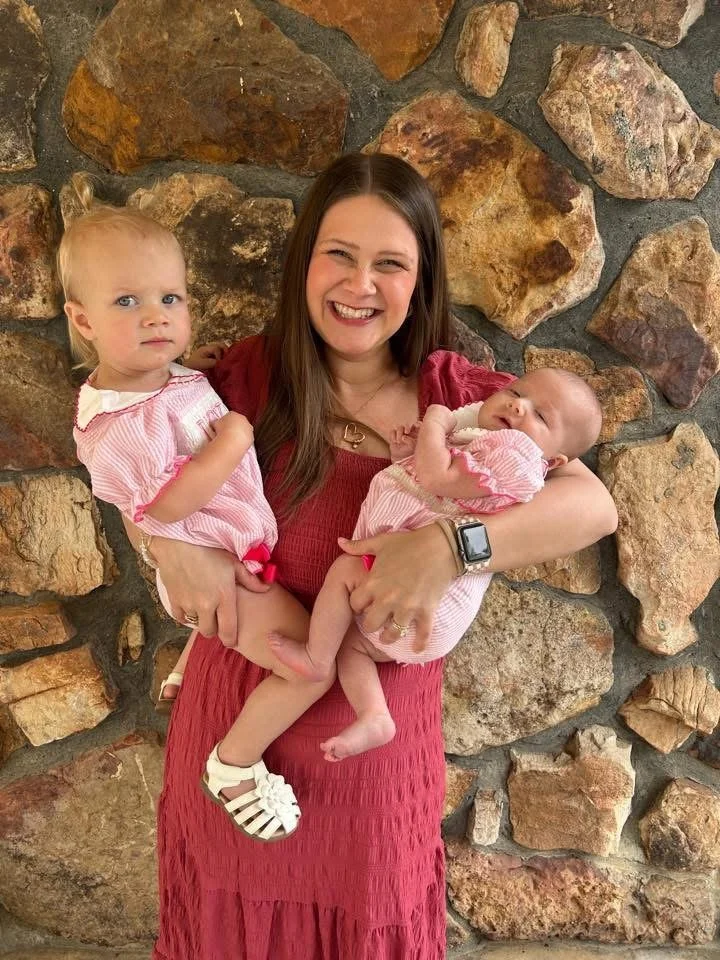
“This experience showed me that maternity leave shouldn't have to be a choice between being present for your baby and being able to financially support your family,” she said. “Having paid leave allowed me to give my body time to recover, give my baby the time she needed with me and return to my students when I was truly ready. Those 12 weeks were a gift to our entire family.”
For Arkansans Improving Maternal Health, Jazmyn’s story is a powerful example of what happens when policy recognizes the realities of pregnancy, childbirth and postpartum recovery. Paid maternity leave isn't simply time away from work. It can mean a mother entering childbirth without fear that medically necessary bed rest will jeopardize her family’s finances. It can mean time to heal, establish breastfeeding and bond with a newborn. And it can mean returning to work feeling ready rather than forced.
This is the second in a three-part series on Arkansas teachers and paid family leave. Read Kylie Jones’s story, and learn more about paid leave and other pro-family workforce benefits in AIM’s research report, “Strengthening Arkansas: Maternal Health as Economic Infrastructure.”